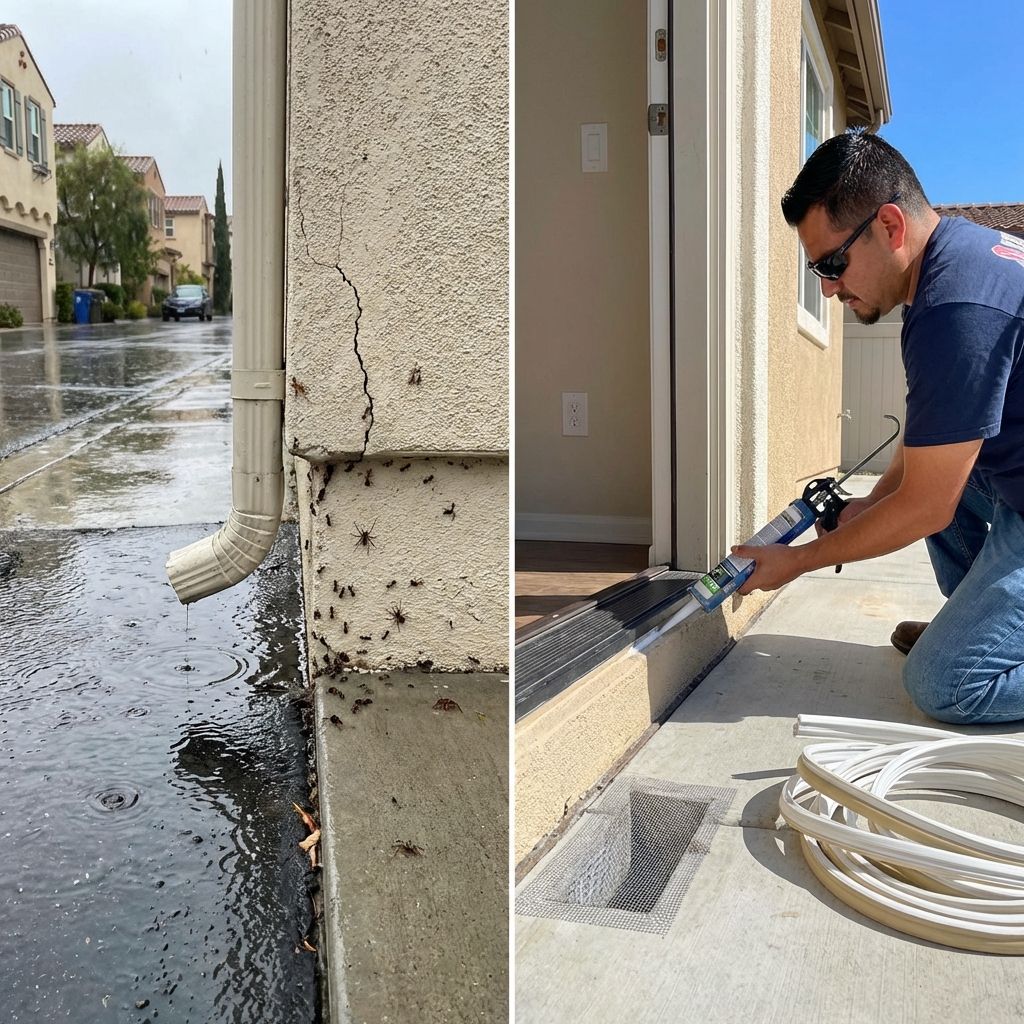
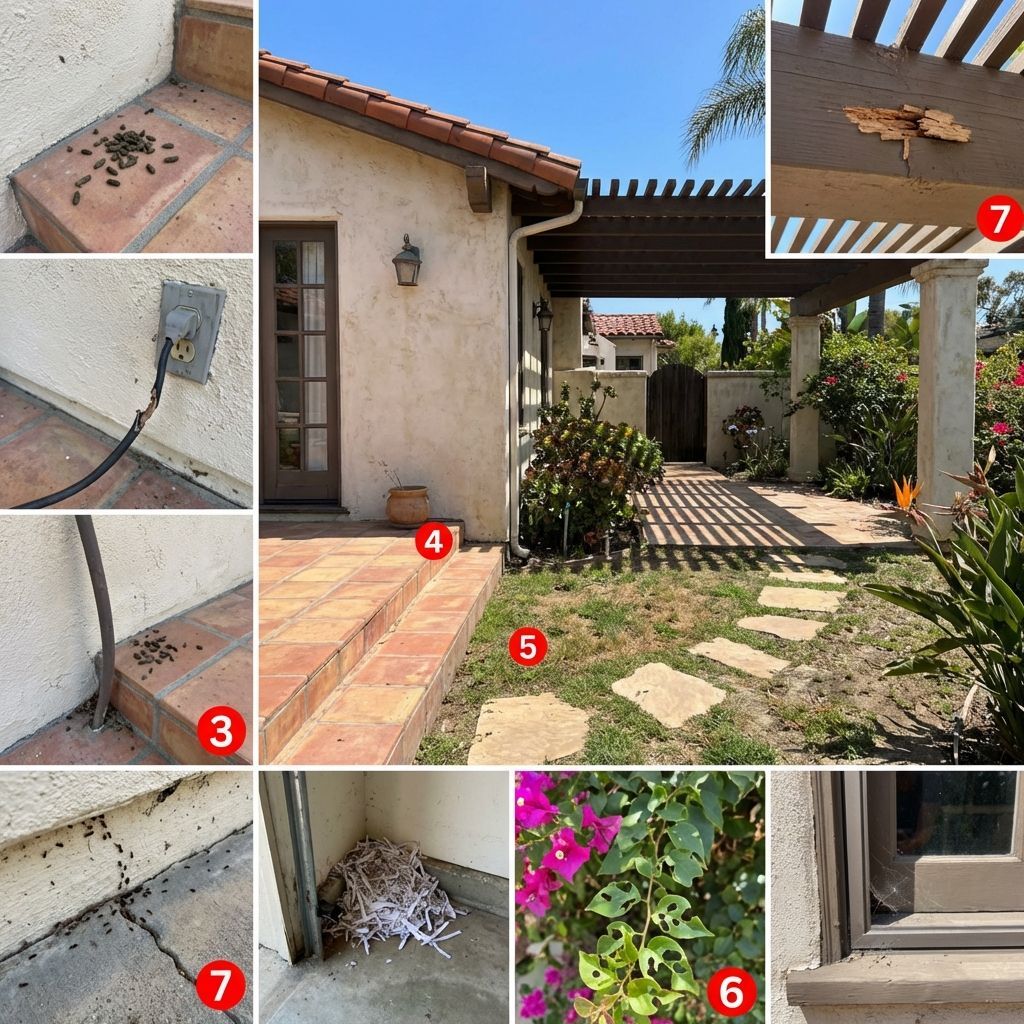
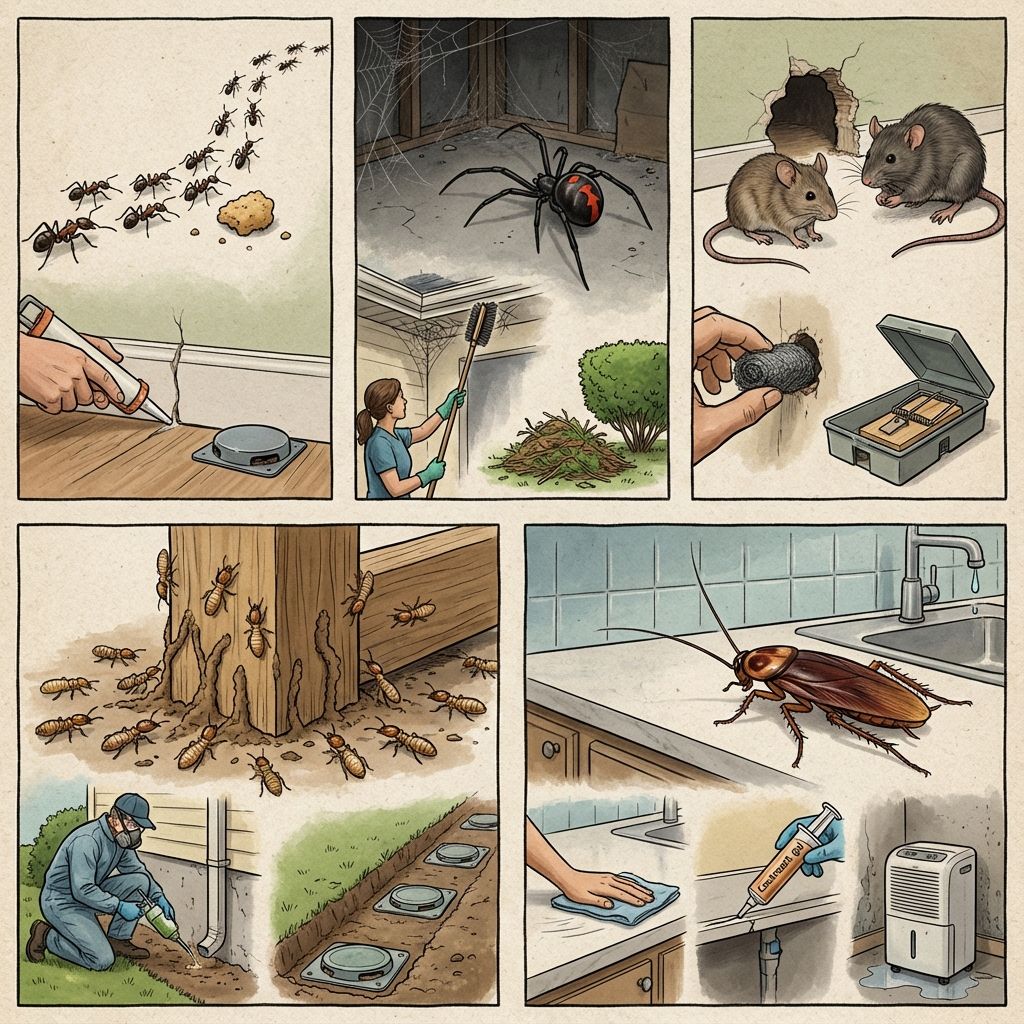
Are Termite Swarms a Sign of an Infestation? What San Juan Capistrano Homeowners Need to Know

February 11, 2026

Are Termite Swarms a Sign of an Infestation? What San Juan Capistrano Homeowners Need to Know

Are Termite Swarms a Sign of an Infestation? What San Juan Capistrano Homeowners Need to Know
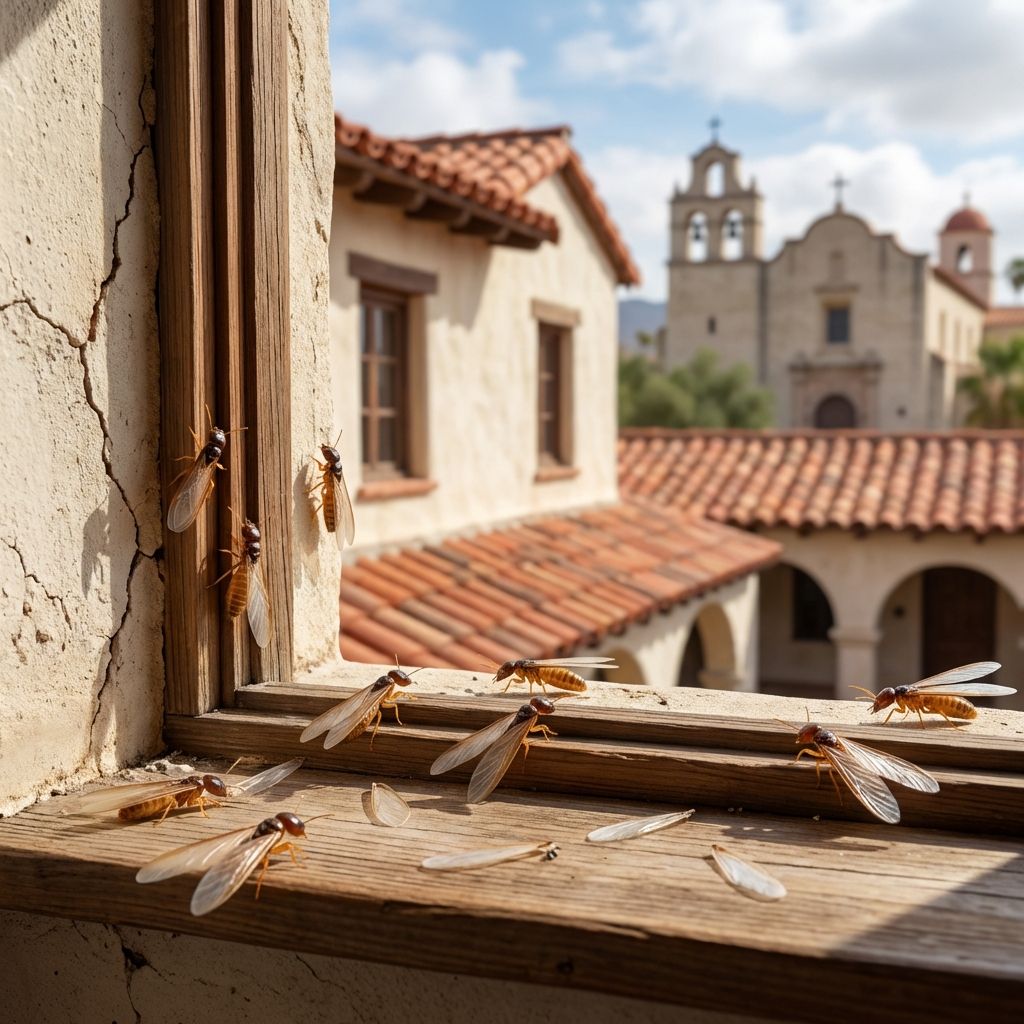
You're relaxing at home when suddenly you notice dozens—or hundreds—of winged insects emerging from your baseboards, swarming near windows, or clustered around outdoor lights. Your heart sinks as you realize these might be termites. But does seeing a termite swarm automatically mean your San Juan Capistrano home has a serious infestation? The answer is more nuanced than most homeowners realize, and understanding what termite swarms actually signal can save you thousands of dollars in unnecessary panic or costly delays.

What Exactly Is a Termite Swarm?

A termite swarm consists of reproductive termites (called alates or swarmers) that leave their established colony to mate and start new colonies. Think of it as termites' version of leaving home to start their own families.

Here's what happens during a swarm:

Mature termite colonies produce winged reproductive termites when conditions are right—typically warm temperatures and high humidity. In San Juan Capistrano, this usually occurs in late winter through spring (February-May), often triggered by the first warm days after winter rains.

These winged termites emerge from the colony en masse, fly short distances looking for mates, pair off, shed their wings, and attempt to establish new colonies in suitable wood sources. The entire emergence event typically lasts 30-40 minutes, after which you're left with discarded wings and the unsettling question: where did these termites come from?

The Critical Question: Indoor vs. Outdoor Swarms

Whether you have an active termite infestation depends entirely on where the swarm originated.

Outdoor Swarms (Common and Usually Not Your Problem)

If you notice termite swarmers flying around your outdoor lights, patio, or yard—but not emerging from inside your home—this typically indicates a nearby colony in your landscaping, a neighbor's property, or outdoor wood sources like tree stumps, mulch, or buried wood debris.

What this means for your home:

You likely don't have an active infestation yet , but your property is now at increased risk. Termite swarmers are actively looking for new places to colonize, and your home's foundation, wooden structures, and landscaping contact points become targets.

Your action plan: Schedule a professional termite inspection within 1-2 weeks. Even though the swarm originated outside, it's the perfect time to verify your home isn't harboring hidden colonies and to implement preventive treatments before newly mated pairs find entry points.

Indoor Swarms (Immediate Red Flag)

If termite swarmers emerge from inside your home—from baseboards, wall outlets, window frames, or any interior surface—this definitively confirms an active infestation inside your structure.

What this means:

A termite colony has been living in your home's wood for 3-5 years minimum (that's how long it takes colonies to mature and produce swarmers). The colony has grown large enough and mature enough to reproduce, indicating substantial, ongoing termite damage.

Your action plan: This is a pest control emergency requiring same-day professional response. Every day of delay means more wood consumption and structural damage.

How to Tell If Swarmers Are Termites or Flying Ants

Not every winged insect swarm is termites—flying ant swarms are also common in San Juan Capistrano and often mistaken for termites. Here's how to differentiate:

Termite Swarmers:

  • Straight, bead-like antennae
  • Equal-length wings that extend well beyond the body
  • Thick, straight waist (no "pinch")
  • Wings appear translucent or milky white
  • Tend to be weak fliers that flutter rather than fly strongly

Flying Ants:

  • Elbowed antennae
  • Unequal wing lengths (front wings longer than back)
  • Narrow, pinched waist between thorax and abdomen
  • Wings more proportional to body size
  • Stronger, more controlled flight patterns

The easiest identifier: Look at discarded wings. Termite wings are all the same size and shape, while ant wings are clearly different sizes.

If you're uncertain, collect several specimens (dead ones work fine) in a sealed plastic bag and have a professional identify them. Many pest control companies, including San Juan Capistrano Pest Control, offer free identification as part of their inspection services.

Why Termite Swarms Happen in San Juan Capistrano

Orange County's Mediterranean climate creates ideal conditions for subterranean termite activity year-round, but swarms concentrate in specific seasons.

Peak Swarming Season: February through May

San Juan Capistrano's winter rains saturate soil with moisture, creating perfect conditions for termite activity. When warm spring temperatures arrive, mature colonies receive nature's signal to produce swarmers and expand.

The combination of warm days (above 70°F) and high soil moisture following rainfall triggers synchronized swarming. This is why you'll often notice termite swarms within 1-2 weeks after winter storms—especially on warm, sunny afternoons.

Secondary Swarming: Late Summer/Early Fall

Some termite species produce smaller secondary swarms in late summer or early fall, particularly after irrigation or unusual late-season rainfall. While less dramatic than spring swarms, these still indicate active colonies.

Evening and Morning Swarms

Termites are attracted to light, which is why swarms often cluster around windows, glass doors, and exterior lighting. If you notice swarmers in the evening around outdoor lights or in the morning near windows, track where they're actually emerging from—not just where they're gathering.

The Hidden Danger: What You Don't See

Here's what concerns professional termite inspectors: for every termite swarmer you see, thousands of worker termites remain hidden in your home's structure, actively consuming wood.

The disturbing math:

A mature subterranean termite colony contains 60,000 to 1 million worker termites. These workers never leave the colony—they stay hidden in wood and mud tubes, eating 24/7. The few hundred or few thousand swarmers you witnessed represent less than 1% of the actual colony population.

When homeowners see swarmers and think "that wasn't too many, probably not a big deal," they're seeing only the colony's reproductive attempt while missing the massive population causing actual damage.

Annual wood consumption:

An established termite colony can consume approximately 12 linear feet of 2x4 wood per year. Over the 3-5 years it takes a colony to mature enough to produce swarmers, that's potentially 36-60 linear feet of structural lumber damage before you ever see your first winged termite.

Common Mistakes San Juan Capistrano Homeowners Make

Mistake #1: Assuming the Swarm Was a One-Time Event

Many homeowners see a termite swarm, panic briefly, then convince themselves it was an isolated incident that won't happen again. Unfortunately, the swarm is just the visible symptom of a hidden problem that's getting worse every day.

Mature colonies produce swarms annually. If you saw swarmers this spring, you'll likely see them again next spring—from an even larger colony that's consumed even more wood.

Mistake #2: Cleaning Up Evidence and Forgetting About It

Vacuuming up discarded wings and dead swarmers removes the evidence but doesn't address the colony. Without that visual reminder, weeks and months pass before homeowners take action, during which termites continue damaging the structure.

Action step: Take photos and collect specimens before cleaning. Even if you can't get professional service immediately, documentation helps technicians understand the extent and location of swarming.

Mistake #3: Attempting DIY Termite Control

Store-bought termite treatments cannot eliminate established colonies. Those foam sprays, bait stations, and liquid treatments available at hardware stores are designed for prevention and minor isolated termite activity—not for mature colonies producing swarmers.

Why DIY fails:

Termite colonies extend 100+ feet from the main nest, with multiple satellite colonies and interconnected tunneling systems. Surface treatments kill only the termites directly contacted while the colony continues thriving elsewhere in your property.

Professional termite control uses specialized equipment (soil treatment rods, high-volume pumps), commercial-grade termiticides, and comprehensive property treatments that create continuous chemical barriers termites cannot cross.

Mistake #4: Waiting Until Visible Damage Appears

By the time you see visible termite damage (sagging floors, hollow-sounding wood, bubbling paint, visible galleries), extensive structural damage has already occurred. Termites eat wood from the inside out, so exterior surfaces look fine long after internal structures are compromised.

The financial impact: Early intervention (treating colonies when swarmers first appear) typically costs $1,500-3,000 for professional termite treatment. Delayed intervention requiring structural repairs can cost $10,000-30,000 or more, depending on damage extent.

What Professional Termite Inspections Reveal

When you call for a professional termite inspection following a swarm, here's what trained technicians look for:

Mud Tubes and Shelter Tubes

Subterranean termites build pencil-thin mud tubes from soil to wood sources, protecting themselves from air exposure. These tubes appear on foundations, in crawl spaces, along basement walls, and sometimes on interior surfaces near infestations.

Inspectors examine your entire foundation perimeter, crawl space, attic, and garage looking for these telltale signs of termite highways connecting colonies to food sources.

Wood Damage and Galleries

Using specialized tools including moisture meters, acoustic detectors, and thermal imaging cameras, inspectors identify areas of active termite damage even when exterior wood surfaces appear intact.

Probing suspect areas reveals hollowed-out wood, characteristic termite galleries, and live termite activity hidden beneath surface layers.

Conducive Conditions

Professional inspections identify factors making your property vulnerable to termite colonization:

  • Wood-to-ground contact (deck posts, fence posts, siding touching soil)
  • Moisture problems (leaking pipes, poor drainage, excessive irrigation)
  • Wood debris in crawl spaces or buried in landscaping
  • Cracks in foundation or slab that provide termite entry
  • Excessive mulch against foundation
  • Form boards left in place after construction

Addressing these conducive conditions prevents future infestations even after active colonies are eliminated.

Comprehensive Documentation

Licensed termite inspectors provide detailed written reports including diagrams showing areas of active infestation, conducive conditions, treatment recommendations, and estimated repair costs if structural damage is present.

This documentation is crucial for treatment planning and is required for real estate transactions in California.

Treatment Options After Confirming Infestation

Once an inspection confirms active termite infestation, several treatment approaches are available depending on infestation severity and property characteristics.

Liquid Soil Treatments (Most Common and Effective)

Professional-grade liquid termiticides create continuous chemical barriers in soil around and beneath your home's foundation. Termites cannot detect these barriers and die when they contact treated soil while foraging.

How it works:

Licensed applicators drill through concrete slabs or trench around foundations, injecting termiticide into soil at specific depths and concentrations mandated by label requirements. This creates a protective zone that eliminates existing colonies and prevents new ones from establishing.

Treatment longevity: Professional soil treatments provide 5-10 years of protection depending on product used and soil conditions.

Termite Bait Systems

Bait stations installed around your property perimeter contain cellulose material treated with slow-acting termiticide. Worker termites feed on bait and share it throughout the colony, eventually eliminating the entire population including the queen.

Advantages: Non-invasive (no drilling), environmentally targeted (affects only termites), and provides ongoing monitoring of termite activity.

Considerations: Slower elimination timeline (3-6 months) compared to liquid treatments, requires regular monitoring and maintenance.

Wood Treatment (Localized Infestations)

When termites are isolated in specific accessible wood members (fence posts, deck lumber, door frames), direct wood treatment with borates or other preservatives eliminates the localized infestation.

This approach typically supplements primary soil treatments rather than serving as standalone treatment.

Fumigation (Drywood Termites)

While this article focuses on subterranean termites (the most common type in San Juan Capistrano), if your swarm was drywood termites, fumigation (tenting) may be necessary. Drywood termite swarmers typically appear in late summer through fall rather than spring, and emerge from wood itself rather than soil.

Prevention Strategies for San Juan Capistrano Properties

After addressing active infestations, prevention ensures termites don't return.

Moisture Control (The #1 Prevention Factor)

Subterranean termites require moisture to survive. Properties with drainage problems, irrigation issues, or plumbing leaks become termite magnets.

Prevention steps:

  • Repair leaking pipes and faucets promptly
  • Improve drainage away from foundation (soil should slope away from house)
  • Fix gutter and downspout problems
  • Reduce sprinkler water near foundation
  • Ventilate crawl spaces adequately
  • Install vapor barriers in crawl spaces

Eliminate Wood-to-Ground Contact

Any wood touching soil provides termites direct access from their underground colonies into your structure.

Common violations to address:

  • Deck posts embedded directly in soil
  • Siding, stucco, or trim touching ground
  • Fence posts against foundation
  • Firewood stored against exterior walls
  • Landscape timbers against foundation

Maintain 6-inch clearance: All wood should be at least 6 inches above soil grade, and foundation should be visible all around your home's perimeter.

Regular Inspections

Annual professional termite inspections detect problems early, before swarms occur and before significant damage accumulates. Many pest control companies offer annual inspection plans at reduced rates for existing customers.

Wood Treatment and Barriers

New construction and major renovations should include pre-treated lumber (pressure-treated or borate-treated) for ground-contact applications. Physical barriers including stainless steel mesh and sand barriers also prevent termite intrusion in new construction.

The Real Estate Connection: Termite Swarms and Home Sales

Termite swarms create serious complications for real estate transactions in California.

Disclosure Requirements

California law requires sellers to disclose known pest infestations to buyers. If you've witnessed termite swarms but haven't had professional inspection and treatment, you're legally obligated to inform potential buyers.

Failure to disclose known termite activity can result in lawsuits after sale closure, potentially costing far more than proactive treatment would have.

Termite Clearances

Most California real estate transactions require termite inspection reports (often called Section 1 reports) before sale closure. Lenders typically require clearances showing no active infestations.

If swarmers have emerged from your home, professional treatment and follow-up inspection confirming elimination are necessary before you can obtain clearance certificates.

Negotiation Impact

Discovering termite swarms or active infestations during transaction inspections gives buyers significant negotiation leverage. Sellers typically pay for treatment and repairs, which always costs more in rushed transaction timelines than proactive treatment would have.

The smart approach: If you're planning to sell within the next few years and have witnessed termite swarms, address the problem now while you control timing and contractor selection rather than waiting until it becomes a transaction obstacle.

Why San Juan Capistrano Properties Face Higher Termite Risk

Our local conditions create perfect termite habitat, making proactive protection especially important.

Year-Round Termite Activity

Unlike regions with cold winters that suppress termite activity, San Juan Capistrano's mild winters allow termites to remain active 12 months annually. This means continuous wood consumption without seasonal breaks.

Soil Characteristics

Orange County's soil composition and moisture patterns support large subterranean termite populations. Combined with urban irrigation that maintains soil moisture even through dry summers, termites thrive.

Mature Landscaping

San Juan Capistrano's established neighborhoods feature mature trees, extensive landscaping, and wooden landscape features (decks, fences, arbors) that provide abundant termite food sources and harborage.

Older Housing Stock

Historic downtown San Juan Capistrano and surrounding areas contain many pre-1980 homes built before modern termite prevention standards. These properties lack treated lumber, have wood-to-ground contact issues, and often contain hidden conducive conditions.

Proximity to Open Space

Neighborhoods bordering hills, canyons, and open space face increased termite pressure from native populations colonizing undeveloped areas and expanding into adjacent residential properties.

Take Action: What to Do Right Now

If you've witnessed a termite swarm in or around your San Juan Capistrano home, here's your immediate action plan:

Within 24 Hours:

  • Document the swarm with photos
  • Collect specimens (dead ones in a sealed bag)
  • Note exact location where swarmers emerged
  • Check for discarded wings around baseboards, window sills, and door frames
  • Look for mud tubes on foundation

Within 1 Week:

  • Schedule professional termite inspection
  • Request comprehensive property evaluation, not just spot checks
  • Ask about treatment options and pricing
  • Get written documentation of findings

Don't Wait:

  • Every day of delay means more wood damage
  • Colonies grow larger and more expensive to treat
  • Structural damage worsens, increasing repair costs
  • Additional swarmers may establish new satellite colonies on your property

Professional Termite Control in San Juan Capistrano

San Juan Capistrano Pest Control provides comprehensive termite services including emergency response to swarm events, thorough inspections, proven treatment methods, and preventive maintenance.

What We Offer:

Same-Day Emergency Response: When you discover swarmers emerging from inside your home, we understand the urgency. Same-day inspection and treatment consultation available.

Certified Termite Inspections: Our licensed inspectors provide detailed written reports documenting all findings, conducive conditions, and treatment recommendations meeting California regulations.

Multiple Treatment Options: We explain all appropriate treatment approaches for your specific situation, including costs, timelines, and long-term effectiveness, allowing you to make informed decisions.

Treatment Guarantees: Our termite treatments include warranties and follow-up inspections ensuring elimination is complete and lasting.

Prevention Programs: Annual inspection and maintenance programs keep your property protected year-round.

Real Estate Services: Fast-tracked inspections and treatments for real estate transactions, with official clearance documentation provided promptly.

Don't Ignore the Warning Signs

Termite swarms are nature's way of alerting you to hidden colony activity. Whether swarmers emerged from inside your home (definite infestation) or from outdoor sources (your property is at risk), professional evaluation is essential.

The cost of inspection and early treatment is minimal compared to the structural damage and repair expenses that accumulate when termites are ignored. In San Juan Capistrano's termite-friendly climate, it's not a matter of if your property will face termite pressure, but when—and whether you'll catch it early or discover it after expensive damage occurs.

Protect your largest investment. Call (714) 683-2665 today for comprehensive termite inspection and treatment.

Free termite inspections available. Same-day emergency response for active swarms. Licensed, insured, and experienced in Orange County termite control.

Serving all San Juan Capistrano neighborhoods: Forster Ranch, Talega, Rancho Mission Viejo, historic downtown, and throughout Orange County.

Your home deserves professional termite protection. Don't wait for next year's swarm or for visible damage to appear. Contact San Juan Capistrano Pest Control now and eliminate termite threats before they eliminate your home's structural integrity.
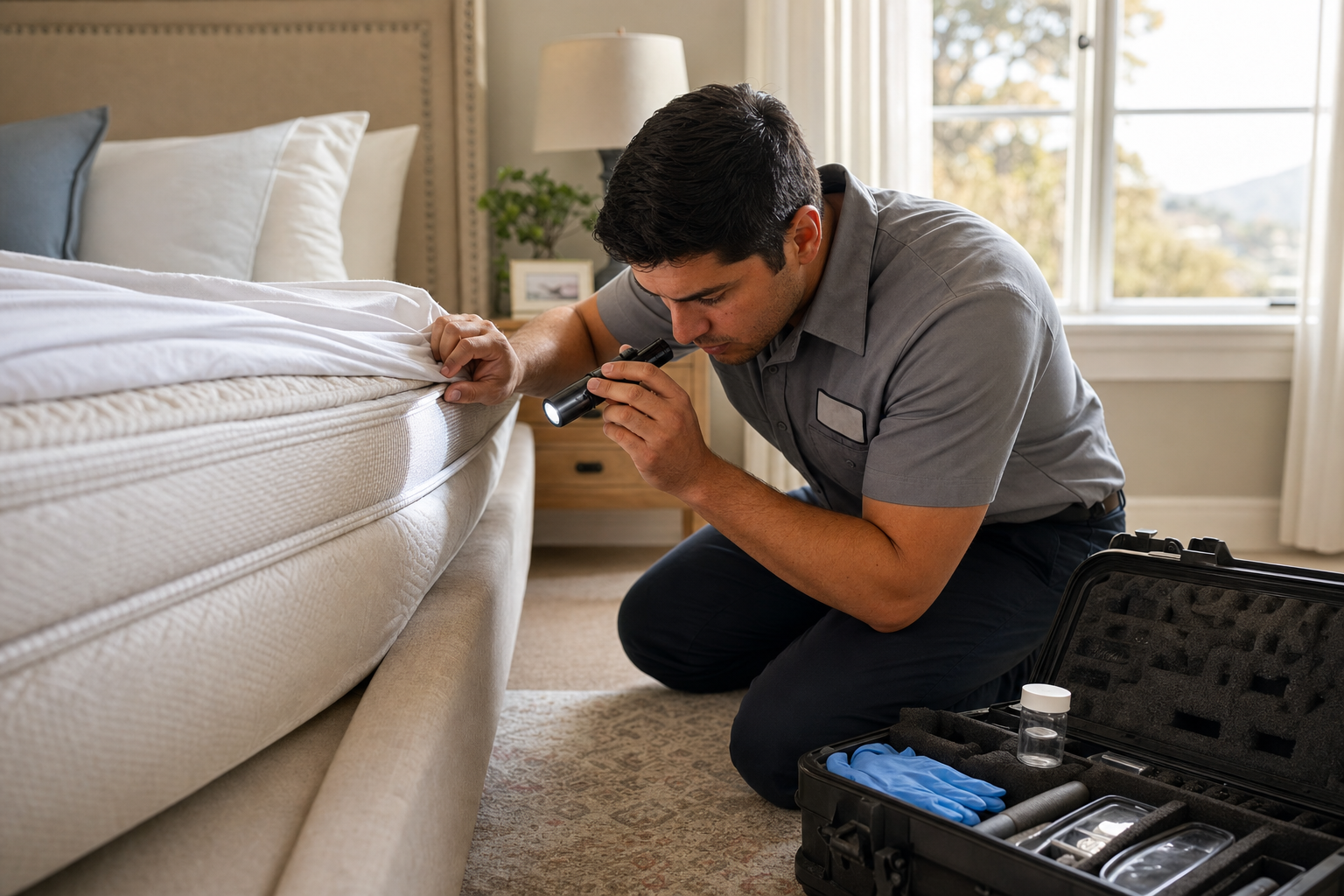
Pest control technician inspecting a mattress seam for bed bugs in San Juan Capistrano, CA
August 24, 2026
Bed bugs come from travel, not a dirty home. Heat treatment kills eggs in one visit; chemical needs 2-3. What San Juan Capistrano residents should know.
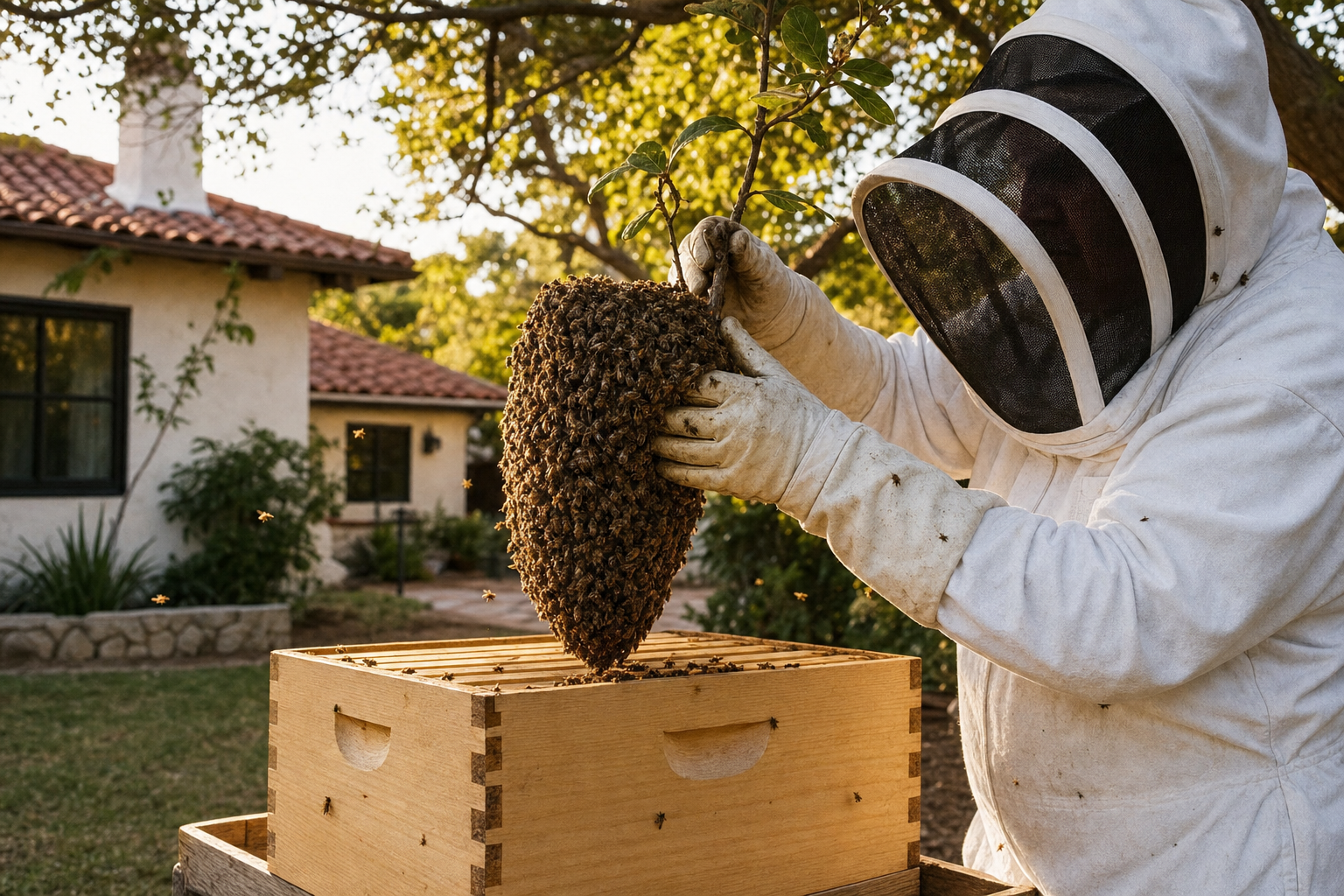
A beekeeper performing a live honeybee swarm removal and relocation in San Juan Capistrano, CA
August 20, 2026
California law protects honeybees but not wasps — a huge difference for removal. What San Juan Capistrano homeowners need to know. (714) 683-2665.
Roof rat perched on a fence in a San Juan Capistrano backyard near a citrus tree
March 28, 2026
Hearing scratching in your ceiling? Roof rats are common in San Juan Capistrano. Learn the signs and what actually gets rid of them. Call (714) 683-2665.
February 17, 2026
Not all pest control companies are the same. Some send unlicensed technicians. Some use a one-size-fits-all spray that does nothing for the specific pests giving you problems. And some lock you into annual contracts before you even know if their service actually works. San Juan Capistrano has unique pest pressures — Argentine ant supercolonies, roof rats from the foothills, subterranean termites in older homes, and widow spiders in garages. The right company knows this area. The wrong one just shows up and sprays the baseboards. Here's how to tell the difference. 1. Make Sure They're Licensed by the State of California In California, any company applying pesticides must hold a valid Structural Pest Control License issued by the California Department of Consumer Affairs. There are three license categories: Branch 1 (fumigation), Branch 2 (general pest control), and Branch 3 (termite/wood-destroying organisms). Depending on your problem, you may need a company licensed in multiple branches. How to verify: Search the company's license number at search.dca.ca.gov. It takes 30 seconds and tells you whether the license is active, what it covers, and if there have been any disciplinary actions. If a company can't provide a license number — or gets defensive when you ask — that's a major red flag. 2. Ask If Their Technicians Know San Juan Capistrano's Specific Pest Landscape This matters more than most people realize. SJC sits at the intersection of coastal, foothill, and inland environments — which means the pest mix here is different from, say, Irvine or Anaheim. A few things a local-savvy company should know without you having to explain them: Argentine ant supercolonies span multiple properties in SJC and require colony-elimination treatments — not surface sprays Roof rats are especially active in neighborhoods near the foothills and properties with mature avocado, citrus, or palm trees Subterranean termites thrive in the older adobe and wood-frame homes throughout SJC's historic districts Brown widow spiders have spread significantly through South Orange County in recent years and require different treatment than black widows Ask the company: "What are the most common pests you treat in San Juan Capistrano, and how do you approach them differently?" A good company will give you a specific, confident answer. 3. Verify They Carry Insurance — Not Just a License Licensing and insurance are two different things. Licensing means they're qualified. Insurance means if something goes wrong — a technician damages your property, or someone gets hurt — you're not left holding the bill. At minimum, confirm: General liability insurance (at least $1 million) Workers' compensation for all employees Ask for a certificate of insurance before any work begins. Reputable companies keep this on hand and will send it without hesitation. 4. Get a Diagnosis Before a Quote Pest control isn't a commodity service. The treatment for a small ant trail is completely different from eliminating an Argentine ant supercolony that's been nesting in your wall voids for a season. A company that quotes you a price over the phone without asking detailed questions — or worse, without inspecting first — is likely going to under-deliver. A trustworthy company will: Ask what pests you're seeing, where, and how long it's been happening Inspect your home before recommending a treatment plan Explain why they're recommending specific products or methods Give you a written quote with no surprise add-ons If they're vague about what they'll do or can't explain the treatment plan in plain language, keep looking. 5. Understand What "Eco-Friendly" Actually Means Eco-friendly pest control is a legitimate and effective approach — but the term gets thrown around loosely. Some companies use it as a marketing phrase without changing their actual products or methods. Ask specifically: "What products do you use, and are they safe for children and pets?" "Do you use Integrated Pest Management (IPM) principles?" IPM is an approach that prioritizes exclusion, monitoring, and targeted treatments over blanket chemical applications. It's the gold standard for environmentally responsible pest control and tends to produce longer-lasting results by addressing root causes rather than just visible pests. A company that can explain IPM and has eco-certified products is doing it right. A company that just says "we're green!" without specifics probably isn't. 6. Watch Out for High-Pressure Annual Contracts Some national pest control chains push customers into 12-month contracts at signup, often with cancellation fees buried in the fine print. While ongoing service plans do make sense for certain infestations (termites, rodents, ongoing ant pressure), you shouldn't feel pressured to commit before you've seen results. Ask upfront: "Is there a contract, and what are the cancellation terms?" "What does a single treatment cost vs. an ongoing plan?" "Do you offer a guarantee, and what does it cover?" A good local company will offer flexible options and let their results earn your repeat business — not lock you in before the job starts. 7. Check Reviews on Google AND Nextdoor Google reviews are important, but for local pest control in San Juan Capistrano, Nextdoor is gold. Neighbors in Forster Ranch, Talega, and Rancho Mission Viejo are vocal about which companies actually showed up on time, solved the problem, and didn't oversell unnecessary treatments. Look for reviews that specifically mention: The type of pest treated (especially ants, rats, or termites) Whether the problem actually went away after treatment How the company responded when issues came back Responsiveness and communication A 4.8 rating with 15 reviews means less than a 4.5 rating with 200 detailed, specific reviews from real local homeowners. Why San Juan Capistrano Homeowners Trust San Juan Capistrano Pest Control At San Juan Capistrano Pest Control, we're licensed, insured, and built specifically around this area's pest challenges. We don't send generic technicians with generic solutions — we know Argentine ants, roof rats, termites, and spiders in this zip code, on these streets, in these home types. We offer same-day and emergency service, eco-friendly treatment options, and a satisfaction guarantee. No pressure, no confusing contracts — just effective pest control backed by local expertise. Call (714) 683-2665 for a free inspection or same-day service anywhere in San Juan Capistrano, Forster Ranch, Talega, Rancho Mission Viejo, and surrounding Orange County communities. Now you know what to look for. The next step is easy.
January 23, 2026
You've probably noticed the pattern: every time it rains in San Juan Capistrano, pests suddenly appear inside your home. Ants march across your kitchen counter, spiders emerge in bathrooms, and you hear scratching sounds in your attic. This isn't coincidence—it's predictable pest behavior. Understanding why rain drives pests indoors helps you protect your home before the next storm hits. Why Orange County Rain Creates Pest Emergencies Southern California's infrequent but intense rainfall creates perfect conditions for pest invasions. Here's what happens underground and in pest colonies when storm systems roll through: Flooded Colonies and Nests: Argentine ant colonies live in shallow soil that floods quickly during heavy rain. When their nests flood, millions of ants evacuate simultaneously—straight toward your home's dry foundation. Drowning Risk: Spiders, cockroaches, and ground-dwelling insects face drowning during downpours. Your home's foundation, garage, and crawl spaces become emergency shelters. Food Source Disruption: Rain washes away outdoor food sources that pests normally rely on. Your kitchen suddenly becomes the most attractive restaurant in town. Rodent Displacement: Roof rats and mice living in outdoor harborage areas seek dry shelter when storms arrive. Your attic, walls, and garage provide exactly what they need. The Most Common Rain-Driven Pests in San Juan Capistrano Argentine Ants (The #1 Problem) If you see massive ant trails appearing within hours of rainfall, you're dealing with Argentine ants. These aren't small scout parties—entire colonies relocate during storms. What makes them worse: Argentine ants form supercolonies with multiple queens. When their outdoor nest floods, they establish temporary indoor colonies that become permanent if not professionally treated. Roof Rats San Juan Capistrano's proximity to open space and mature trees makes roof rat problems common during rainy season. These rodents seek dry, elevated shelter—exactly what your attic provides. Warning signs after rain: scratching sounds in walls or ceilings at night, droppings appearing in cabinets, or chewed wires and insulation. Black Widows and Brown Widows Spiders living in outdoor structures, woodpiles, and landscaping move indoors when rain destroys their webs. Garages and storage areas become prime spider habitat during wet weather. Subterranean Termites While not immediately visible, rain-saturated soil creates ideal conditions for termite activity. Increased soil moisture allows termites to travel farther and establish new colonies near your foundation. High-Risk Areas During Rainy Weather Pests follow predictable entry routes during storms. Check these vulnerable areas after every significant rainfall: Foundation cracks and gaps – Even tiny openings become pest highways during floods Door thresholds and weatherstripping – Worn seals let water and pests inside Garage door gaps – The most common ant and spider entry point Utility penetrations – Pipes, wires, and vents often have gaps around them Roof intersections and eaves – Roof rats exploit any opening to reach your attic Window and door frames – Moisture damage creates entry gaps Crawl space vents – Rodents and spiders enter through damaged or missing screens Why DIY Solutions Fail During Rainy Season Store-bought ant sprays and traps can't compete with the scale of rain-driven infestations. Here's why professional pest control becomes essential: You're treating symptoms, not sources: Killing visible ants doesn't address the flooded colony that just relocated into your wall voids. Professional treatments target the entire colony. Weather washes away treatments: Rain immediately dilutes or washes away perimeter treatments you apply yourself. Professional products are designed for weather resistance. Multiple pest species arrive simultaneously: During storms, you might face ants, spiders, and rodents at the same time. Each requires different treatment strategies. Entry points multiply: Heavy rain often creates new cracks and openings in your foundation and exterior walls. Professional inspections identify vulnerabilities you'd miss. Emergency Actions When Pests Invade During Storms If you're currently dealing with a rain-driven pest invasion: Don't panic and spray everything: Indoor pesticide overuse creates health hazards without solving the problem Remove standing water: Inside and outside your home—this attracts more pests Seal food in airtight containers: Eliminate easy food sources that encourage pests to stay Clean up spills immediately: Even small crumbs attract desperate, rain-displaced pests Call for same-day service: Rain-driven infestations worsen rapidly without professional intervention The San Juan Capistrano Advantage: Professional Prevention Smart homeowners don't wait until they see pests—they prevent rain-driven invasions before storms arrive. Pre-storm treatments: Professional barrier treatments applied before rainy season create protective zones that stop pests from entering during floods. Moisture management: Pest control professionals identify drainage problems and moisture issues that make your home attractive to pests year-round. Exclusion services: Sealing entry points before storm season prevents emergency pest invasions when rain arrives. Ongoing monitoring: Regular service ensures your home stays protected through Orange County's unpredictable weather patterns. What To Expect From Professional Rain-Season Pest Control When you call for professional help with rain-driven pest problems, here's what happens: Emergency response: Same-day service available for active infestations Complete inspection: Identify all pest species, entry points, and conducive conditions Targeted treatment: Professional-grade products designed for Orange County's climate and pest species Source elimination: Treat colonies and nests, not just visible pests Weather-resistant protection: Treatments that withstand rain and provide lasting results Follow-up guarantee: Return service if pests come back Don't Wait For The Next Storm Orange County's rainy season isn't over. Every forecast with rain symbols is a warning that pests will soon invade homes that aren't professionally protected. The best time to solve rain-driven pest problems? Before the next storm arrives. Get Rain-Ready Pest Protection Today San Juan Capistrano Pest Control provides emergency and preventative pest control services throughout Orange County. We specialize in rain-season pest invasions that frustrate homeowners every winter and spring. Our services include: Same-day emergency pest control Weather-resistant barrier treatments Complete ant colony elimination Rodent exclusion and removal Pre-storm preventative service Eco-friendly treatment options Call (714) 683-2665 now for immediate pest control service. Don't let the next rainstorm drive pests into your San Juan Capistrano home. Professional protection costs far less than the damage and frustration pests cause. Serving San Juan Capistrano, Forster Ranch, Talega, Rancho Mission Viejo, and all Orange County communities with fast, effective pest control.
January 14, 2026
Living in San Juan Capistrano means enjoying beautiful weather, historic charm, and proximity to beaches and hiking trails. Unfortunately, our mild Southern California climate also creates year-round pest pressure that can affect any home. Whether you live in historic downtown, Forster Ranch, Talega, or near the foothills, understanding how to pest-proof each room in your home is essential for keeping unwanted visitors out. This comprehensive guide walks you through every area of your home, identifying vulnerabilities and providing actionable prevention strategies. While DIY prevention is valuable, remember that professional pest control creates the most effective long-term barrier against Orange County's persistent pests. Kitchen: The #1 Pest Magnet in Your Home Your kitchen offers everything pests need to survive: food, water, and warmth. Argentine ants, cockroaches, and rodents all target kitchens first. Critical Prevention Steps: Seal Food Storage Properly: Store all pantry items in airtight containers made of glass or heavy plastic. This includes flour, sugar, cereal, pasta, pet food, and snacks. Argentine ants can detect food through cardboard and paper packaging, making sealed containers essential for San Juan Capistrano homes. Eliminate Water Sources: Fix leaky faucets and pipes immediately. Wipe down sinks after use and don't leave standing water in dish racks overnight. Many pests, especially ants and cockroaches, are attracted to moisture as much as food. Clean Thoroughly and Consistently: Sweep and vacuum daily to remove crumbs and food debris. Don't forget to clean under appliances, inside drawers, and behind the toaster where crumbs accumulate. Wipe down counters with soap and water, not just a dry cloth. Take Out Garbage Daily: Use trash cans with tight-fitting lids and empty them every evening. Rinse food containers before disposing of them. Consider keeping garbage cans outside rather than under the sink if you experience recurring ant problems. Inspect Under Sinks: The cabinet under your kitchen sink is a common pest entry point and harborage area. Check for gaps around plumbing pipes and seal them with steel wool and caulk. Fix any water damage or dampness that attracts pests. Seal Gaps and Cracks: Examine where your countertops meet the wall, around the baseboards, and behind appliances. Seal these gaps with silicone caulk to prevent ant trails from forming. Professional insight: Even with excellent kitchen hygiene, Argentine ant supercolonies in San Juan Capistrano can be nearly impossible to control without professional treatment. If you see recurring ant trails despite your best prevention efforts, it's time for expert help. Bathrooms: Moisture Means Trouble Bathrooms provide the moisture that many pests need to survive, making them prime targets for ants, silverfish, and cockroaches. Bathroom Protection Strategies: Fix All Leaks Immediately: Check under sinks, around toilets, and behind showers for any signs of water damage or active leaks. Even small drips create the moisture pests need. Roof rats in San Juan Capistrano often enter homes through damaged plumbing vents connected to bathrooms. Improve Ventilation: Always use exhaust fans when showering to reduce humidity. Open windows when weather permits. High humidity attracts moisture-loving pests like silverfish and creates conditions where mold can grow. Seal Around Plumbing: Inspect where pipes enter through walls and floors. Fill gaps around bathtub drains, sink pipes, and toilet bases with waterproof caulk. These openings provide direct access from wall voids into your bathroom. Keep It Dry: Wipe down shower walls after use and don't leave wet towels on the floor. Fix grout that's cracking or missing. Address any subflooring damage from previous leaks. Store Items Properly: Don't store cardboard boxes or paper products in bathrooms. The humidity can attract silverfish and provide harborage for cockroaches. Use plastic storage containers instead. Check Drains: Pour water down rarely-used drains weekly to keep traps full and prevent sewer gases (and pests) from entering through dry p-traps. Bedrooms: Don't Let Pests Disrupt Your Sleep While bedrooms typically have less pest activity than kitchens, they're not immune. Bed bugs, spiders, and occasional invaders can all show up where you sleep. Bedroom Defense: Inspect Secondhand Furniture: Before bringing any used furniture into your San Juan Capistrano home, thoroughly inspect it for signs of bed bugs. Check seams, crevices, and underneath for dark spots, shed skins, or live bugs. This is especially important for items bought at yard sales or online marketplaces. Reduce Clutter: Piles of clothes, boxes, and general clutter provide hiding spots for spiders and other pests. Keep floors clear and store items in sealed plastic bins rather than cardboard boxes. Vacuum Regularly: Vacuum under beds, in closets, and along baseboards weekly. This removes pest eggs, dead insects, and potential food sources. Seal Cracks and Gaps: Check where baseboards meet walls and seal any openings with caulk. Inspect window and door frames for gaps. Even small cracks can allow spiders, ants, and other pests inside. Keep Food Out: Never eat in bedrooms or store snacks in nightstands. Crumbs and food residue attract ants and roaches. Wash Bedding in Hot Water: Regular washing in hot water kills any potential pest eggs or allergens. Use mattress and pillow protectors to create an additional barrier. Living Rooms and Common Areas Living rooms, dining rooms, and family rooms are where families gather – and where food crumbs, pet activity, and entry points can create pest opportunities. Common Area Protection: Inspect Windows and Doors: Check that all screens are intact without tears or gaps. Ensure weather stripping is in good condition and doors close completely. In San Juan Capistrano's mild climate, people often leave windows and doors open, creating easy pest access. Mind the Fireplace: If you have a fireplace, ensure the chimney cap is intact and the damper closes tightly when not in use. Birds, rodents, and even raccoons can enter through chimneys. Have it inspected annually. Clean Under Furniture: Move couches and entertainment centers periodically to vacuum underneath. Crumbs and debris accumulate in these hidden areas, attracting pests. Address Pet Areas: If you have pets, keep their food bowls clean and don't leave food out overnight. Store pet food in airtight containers. Pet food attracts ants, rodents, and cockroaches just as readily as human food. Check Houseplants: Indoor plants can harbor fungus gnats and other pests. Don't overwater plants, as standing water in saucers attracts pests. Inspect new plants before bringing them inside. Seal Wall Penetrations: Examine where cable lines, electrical outlets, and utility pipes enter through walls. Seal any gaps with appropriate caulk or foam. Laundry Room: The Overlooked Pest Entry Point Laundry rooms combine moisture, warmth, and often-neglected spaces – a perfect combination for pest problems. Laundry Room Essentials: Inspect Dryer Vents: Check that dryer vent covers outside close properly and aren't damaged. These large openings can allow rodents, birds, and large insects direct access to your home. Clean lint from the vent line annually to reduce fire risk and close gaps. Check Behind Appliances: Pull out your washer and dryer periodically to clean behind them and check for pest droppings, nesting materials, or entry points. Look for gaps where utility lines come through walls. Fix Water Issues: Address any leaks from washing machines or utility sinks immediately. Check hoses for cracks and replace them every few years. Even small amounts of standing water attract pests. Reduce Humidity: Use exhaust fans and ensure proper ventilation. High humidity in laundry rooms attracts moisture-loving pests. Store Properly: Don't store food, pet supplies, or cardboard in the laundry room. If you must store items there, use sealed plastic containers. Garage: The Highway Into Your Home Many San Juan Capistrano homeowners don't realize their garage is one of the most common pest entry points. It connects directly to living spaces while offering easier access from outside. Garage Pest Prevention: Seal the Garage Door: Install or replace garage door weather stripping along the bottom and sides. Even a quarter-inch gap provides access for rodents, snakes, and countless insects. Check that automatic doors close completely. Eliminate Clutter: Piles of boxes, old furniture, and stored items create perfect harborage for spiders, rodents, and cockroaches. Store items off the floor on metal shelving when possible. Reduce cardboard storage in favor of plastic bins. Remove Pest Attractants: Never store pet food, birdseed, or anything edible in garages. These items attract rodents and ants. If you must store them, use heavy-duty metal or thick plastic containers with tight-fitting lids. Address Moisture: Fix any water leaks and ensure proper drainage. Standing water attracts mosquitoes and other pests. Trim Vegetation: Keep plants, shrubs, and tree branches at least two feet away from the garage structure. Overhanging branches provide roof rat highways directly onto your roof. Inspect Storage Items: Before bringing stored holiday decorations or camping equipment inside, inspect boxes for signs of pests, especially spiders and their egg sacs. Check the Door to Your House: The door from your garage into your home should close tightly with intact weatherstripping. This is your last line of defense before pests enter living areas. Attic and Crawl Spaces: Out of Sight Shouldn't Mean Out of Mind These areas are pest magnets because they're rarely disturbed, provide shelter, and often have multiple entry points. Roof rats are especially problematic in San Juan Capistrano attics. Protecting Your Attic: Inspect for Entry Points: Look for gaps around roof vents, plumbing stacks, electrical lines, and where the roof meets the walls. Roof rats can squeeze through openings as small as a quarter. Seal these gaps with metal flashing or hardware cloth. Check Insulation: Look for tunnels, nests, or disturbed insulation that indicates rodent activity. Contaminated insulation should be removed and replaced, as it can harbor diseases and reduce energy efficiency. Ensure Proper Ventilation: Adequate attic ventilation reduces moisture that attracts pests and prevents the conditions where mold grows. Look for Daylight: From inside your attic during the day, look for any spots where daylight is visible. If light can get in, so can pests. Seal these openings. Trim Tree Access: Cut back any tree branches within six feet of your roof. Roof rats in Orange County use overhanging branches as bridges to access attics. Install Screens: Place 1/4-inch hardware cloth screens over all attic vents while ensuring proper airflow. Professional recommendation: Attic inspections require specialized knowledge and equipment. Many homeowners don't realize they have rodent infestations until significant damage has occurred. Professional inspections can identify problems early and provide proper exclusion. Exterior: Your First Line of Defense The best pest control starts outside your home, preventing pests from ever reaching your foundation. Exterior Protection Strategies: Maintain Landscaping: Keep shrubs and plants at least 18 inches away from your home's foundation. This "pest-free zone" eliminates the bridge pests use to access your walls. In San Juan Capistrano's climate, vegetation grows quickly and requires regular trimming. Eliminate Standing Water: Check for areas where water collects after irrigation or rain. Dump out plant saucers, children's toys, and anything else that holds water. Mosquitoes can breed in just a bottle cap of water. Inspect and Seal Foundation: Walk around your home looking for cracks in the foundation or gaps where utilities enter. Seal cracks with concrete filler and gaps around pipes with foam or caulk. Pay special attention to weep holes, which should be covered with mesh screens. Manage Outdoor Trash: Keep garbage cans away from the house with tight-fitting lids. Rinse cans regularly to remove residue that attracts pests. Consider animal-proof containers if you have issues with raccoons or opossums. Remove Yard Debris: Don't let leaves, grass clippings, or wood piles accumulate near your foundation. These provide harborage for numerous pests. Store firewood at least 20 feet from the house and elevated off the ground. Check Outdoor Lighting: Bugs are attracted to standard outdoor lights. Switch to yellow "bug lights" or LED lights which are less attractive to insects. Install lights away from doors when possible. Inspect Your Roof: From the ground, look for damaged roof tiles, gaps at roof edges, or separated fascia boards. These openings allow pests into your attic. Maintain Gutters: Clean gutters twice yearly to prevent water damage and eliminate the standing water that mosquitoes need to breed. Ensure downspouts direct water away from your foundation. Special Considerations for San Juan Capistrano Homes Our unique location and climate create specific pest challenges that homeowners should understand: Historic Homes: If you live in one of San Juan Capistrano's beautiful historic properties near the Mission, older construction methods may include more gaps, cracks, and entry points than modern homes. These homes often require more extensive sealing and professional treatment. Hillside Properties: Homes near Los Rios Historic District or the foothills experience higher rodent pressure due to proximity to natural habitats. Roof rats and field mice naturally move downhill seeking food and water, especially during dry summers. New Developments: Newer communities like Talega and Forster Ranch disturb natural pest habitats during construction. For the first few years, these areas may experience higher pest activity as displaced populations seek new territory. Year-Round Growing Season: Unlike colder climates, San Juan Capistrano's weather means landscaping grows year-round, requiring consistent trimming to maintain the pest-free zone around your home. Proximity to Agriculture: South Orange County's remaining agricultural areas mean certain pests, particularly ants and rodents, have large populations nearby ready to move into residential areas. When DIY Prevention Isn't Enough While these room-by-room strategies significantly reduce pest risks, some situations require professional intervention: Active Infestations: If you already have an established ant colony, rodent population, or termite problem, DIY prevention won't eliminate the existing infestation. Professional treatment eliminates the current problem before prevention strategies can work effectively. Argentine Ant Supercolonies: These ants form colonies with multiple queens spanning several properties. Treating just your home won't solve the problem when the main colony is in your neighbor's yard. Termite Concerns: Orange County's termite activity requires professional inspection and treatment. By the time you see evidence of termites, they've often been causing damage for years. Roof Rat Exclusion: Properly sealing a home against roof rats requires professional experience. These rodents are remarkably skilled at finding and creating entry points. Missing even one gap means continued infestations. Recurring Problems: If pests keep returning despite your prevention efforts, you're treating symptoms rather than the source. Professional pest control identifies why pests are targeting your home and addresses the root cause. Time and Expertise: Thorough pest-proofing is time-intensive and requires specific knowledge about pest behavior and building construction. Professionals complete the job efficiently and correctly the first time. Comprehensive Pest Protection for Your San Juan Capistrano Home While the prevention strategies in this guide provide valuable protection, the most effective approach combines DIY prevention with professional pest control services. Our Professional Services Include: Thorough Property Inspection: We examine every potential entry point and identify conducive conditions you might have missed. Our technicians are trained to spot early warning signs before infestations become severe. Customized Treatment Plans: Every home is different. We develop treatment strategies specific to your property's construction, landscaping, and the pests common to your neighborhood. Professional-Grade Products: We use commercial products not available to consumers, applied safely and effectively around children, pets, and food areas. Exclusion Services: We don't just treat pests – we seal entry points to prevent future invasions. This includes installing screens, sealing gaps, and addressing structural vulnerabilities. Ongoing Prevention: Regular service visits create a protective barrier around your home and catch new pest activity early. Prevention is always more cost-effective than treating major infestations. Eco-Friendly Options: We offer green pest control solutions that protect your family and the environment while effectively eliminating pests. Guaranteed Results: Our treatments come with guarantees. If pests return between scheduled visits, we come back at no additional charge. Protect Your San Juan Capistrano Home Today Don't wait until you have a full-blown infestation. Combining the prevention strategies in this guide with professional pest control creates the most effective defense against Orange County's year-round pest pressure. Get started with: Free comprehensive pest inspection Same-day service available Eco-friendly treatment options Licensed and insured technicians Satisfaction guarantee Customized prevention plans Call (714) 683-2665 now for your free inspection or contact us online to schedule service. We proudly serve all San Juan Capistrano neighborhoods including Forster Ranch, Talega, Rancho Mission Viejo, Los Rios Historic District, and downtown areas. Available for same-day and emergency pest control services. About San Juan Capistrano Pest Control We're your local experts for residential and commercial pest control throughout San Juan Capistrano and Orange County. Our eco-friendly treatments eliminate pests while protecting your family, pets, and the environment. Our licensed technicians understand the specific pest challenges facing San Juan Capistrano homeowners and provide solutions that work. Call (714) 683-2665 for professional pest control you can trust.
January 12, 2026
Most homeowners try DIY pest control first - and there's nothing wrong with that. But how do you know when it's time to call in the professionals? Here are seven clear warning signs that your pest problem requires expert intervention. 1. You Keep Seeing Pests Despite Multiple DIY Treatments You've tried the store-bought sprays, the bait traps, and the natural remedies your neighbor swore by. Yet ants keep marching across your kitchen counter, or you're still hearing rodents in your attic. Why this matters: When pests return after DIY treatment, it usually means you're only killing the visible pests without addressing the colony or nest. Argentine ants, the most common pest in San Juan Capistrano, form supercolonies with multiple queens. Killing the ants you see barely makes a dent in the actual population. The professional difference: Licensed exterminators identify the source of the infestation, use professional-grade products that aren't available in stores, and implement treatment strategies that eliminate the entire colony - not just the pests you can see. 2. You're Finding Pest Droppings or Damage Throughout Your Home Discovering rodent droppings in your kitchen cabinets, termite mud tubes on your foundation, or cockroach feces behind appliances signals an active - and likely significant - infestation. Signs of serious pest activity: Fresh droppings that appear daily (rodents) Mud tubes on walls or foundations (termites) Dark smears or stains along baseboards (cockroaches) Wood shavings or frass (carpenter ants or termites) Chewed wires, insulation, or wood Health and safety risks: Pest droppings carry diseases and allergens. Rodent urine can cause leptospirosis, while cockroach droppings trigger asthma and allergies. Termites and rodents also cause expensive structural damage that worsens daily. Professional pest control protects both your health and your property investment. 3. You're Hearing Unexplained Noises at Night Scratching, scurrying, or gnawing sounds coming from your walls, attic, or crawl space at night indicate a rodent problem - typically roof rats or mice. What those noises mean: Scratching in walls or ceilings: Rodents traveling through your home Chewing sounds: Rats gnawing through wood, insulation, or wiring Scampering at night: Rodents are nocturnal and most active after dark The danger of waiting: Roof rats reproduce rapidly. A single female can produce up to 40 offspring per year. The longer you wait, the larger the infestation becomes and the more damage they cause to your home's structure and electrical systems. San Juan Capistrano's mild climate means rodents breed year-round, making professional rodent control essential for permanent elimination. 4. You're Finding Dead Bugs Near Windows or Light Fixtures While a few dead bugs are normal, consistently finding dead insects - especially termites, carpenter ants, or beetles - near windows, doors, or light fixtures suggests an active infestation in your walls or foundation. Pay special attention to: Discarded wings near windows in spring: Termite swarmers looking to establish new colonies Large black ants (dead or alive): Could be carpenter ants damaging wood structures Multiple dead beetles: Possible wood-boring beetle infestation Why early detection matters: Termites cause over $5 billion in damage annually in the United States. Orange County is in an active termite zone, and San Juan Capistrano's older homes are particularly vulnerable. A professional termite inspection can detect infestations early, potentially saving you thousands in repair costs. 5. Your Neighbors Have Pest Problems Pests don't respect property lines. If multiple neighbors are dealing with ants, roaches, or rodents, your home is at increased risk - or may already have an undetected infestation. Common scenarios in San Juan Capistrano: Neighborhood-wide ant invasions: Argentine ants form supercolonies that span multiple properties Rat problems near foothills: Neighborhoods near open space often experience seasonal rodent pressure Termite swarms in spring: When one home has termites, neighboring properties should be inspected Proactive protection: Professional pest control companies offer preventative treatments that create a protective barrier around your home before pests become established. This is far more cost-effective than waiting until you have an infestation. 6. You've Seen Pests During Daylight Hours Most pests are nocturnal and avoid humans. Seeing roaches, rodents, or large numbers of ants during the day typically indicates a severe infestation - the population has grown so large that pests are competing for resources and space. Daytime pest sightings that require immediate attention: Cockroaches scurrying across floors: Indicates a large, established population Rats or mice visible during the day: Suggests overcrowding in their nesting areas Massive ant trails: Means the colony has grown extremely large If you're seeing pests during the day, the actual population is likely much larger than you realize. Professional intervention is necessary to eliminate the entire infestation. 7. You Have High-Risk Areas: Attics, Crawl Spaces, or Standing Water Certain features of your property create ideal pest habitats. If your home has these characteristics and you've noticed any pest activity, professional pest control can prevent small problems from becoming major infestations: High-risk home features: Attic storage or insulation: Perfect for rats, mice, and roaches Crawl space access: Attracts rodents, spiders, and moisture-loving pests Standing water or drainage issues: Mosquitoes, ants, and roaches Mature landscaping against the house: Provides pest highways to your foundation Wood-to-ground contact: Direct termite access to your home's structure Professional pest control includes a thorough inspection of these vulnerable areas, identification of conducive conditions, and recommendations for prevention alongside treatment. When DIY Just Isn't Enough: The Professional Advantage While home remedies and store-bought products work for minor, isolated pest problems, serious infestations require professional expertise, commercial-grade products, and proven treatment protocols. What professional pest control provides: Accurate identification: Different pests require different treatments Source elimination: Treating the colony or nest, not just visible pests Long-term solutions: Professional treatments last months, not days Safety: Proper application of products around children, pets, and food Prevention strategies: Keeping pests from returning Guaranteed results: Follow-up service if pests return Don't Wait Until It's Too Late Pest problems don't improve on their own - they only get worse and more expensive to fix. What starts as a few ants can become a massive infestation. A single termite or two rodents can cause thousands in damage. If you're experiencing any of these seven warning signs, it's time to call in the professionals. Get expert help today: Free pest inspections Same-day service available Eco-friendly treatment options Licensed and insured technicians Satisfaction guarantee Call (714) 683-2665 now for fast, effective pest control in San Juan Capistrano. About San Juan Capistrano Pest Control We provide expert residential and commercial pest control throughout San Juan Capistrano and Orange County. Our eco-friendly treatments eliminate pests while protecting your family, pets, and the environment. Available for same-day and emergency service. Serving all San Juan Capistrano neighborhoods: Forster Ranch, Talega, Rancho Mission Viejo, downtown, and surrounding areas. Call (714) 683-2665 for your free pest inspection today.
January 4, 2026
Living in San Juan Capistrano offers beautiful California weather, historic charm, and proximity to the coast. Unfortunately, our mild climate also makes Orange County a year-round haven for pests. If you've noticed unwanted visitors in your home or business, you're not alone. Here are the five most common pests we treat in San Juan Capistrano and what you can do about them. 1. Argentine Ants: The #1 Pest Problem in San Juan Capistrano Argentine ants are the most persistent pest problem for San Juan Capistrano homeowners. These small brown ants form massive colonies with multiple queens, making them extremely difficult to eliminate with DIY methods. Signs you have Argentine ants: Long trails of ants marching across countertops and floors Ants appearing in kitchens and bathrooms, especially near water sources Swarms that seem to come back no matter how many you kill Why they love San Juan Capistrano: Our mild winters and proximity to green spaces create perfect conditions for Argentine ant colonies to thrive year-round. Professional solution: Effective ant control requires treating the entire colony, not just the ants you see. Our eco-friendly treatments target the colony at its source, providing long-lasting relief. Call (714) 683-2665 for same-day Argentine ant treatment. 2. Roof Rats: A Growing Problem in Orange County Roof rats have become increasingly common in San Juan Capistrano, particularly in neighborhoods near the foothills and areas with mature landscaping. Signs of roof rat activity: Scratching or scampering sounds in your attic at night Droppings in cabinets, pantries, or along baseboards Chewed wires, insulation, or food packaging Greasy rub marks along walls and rafters Health risks: Roof rats carry diseases and their droppings can trigger allergies and asthma. They also cause significant property damage by chewing through electrical wiring. Professional solution: Successful rodent control requires a comprehensive approach including exclusion, trapping, and sanitation. Our licensed technicians identify entry points, seal access areas, and eliminate the infestation. Contact us at (714) 683-2665 for a free rodent inspection. 3. Subterranean Termites: The Silent Home Destroyer Orange County is in an active termite zone, and San Juan Capistrano's older homes are particularly vulnerable to subterranean termite damage. Warning signs: Mud tubes on foundation walls or in crawl spaces Hollow-sounding wood when tapped Discarded wings near windows and doors in spring Bubbling or uneven paint on wood surfaces Why termites are expensive: Termites cause over $5 billion in property damage annually in the U.S. A single colony can consume a pound of wood per day, causing structural damage that costs thousands to repair. Professional solution: Early detection is critical. We offer thorough termite inspections using the latest detection technology. Our treatment plans include both immediate elimination and long-term prevention. Schedule your termite inspection today: (714) 683-2665. 4. German Cockroaches: Restaurant and Multi-Family Building Concerns While less common in single-family homes, German cockroaches are a serious problem for San Juan Capistrano restaurants, apartments, and condominiums. Identification: German cockroaches are light brown with two dark stripes behind their heads. They're smaller than other roach species but reproduce rapidly. Health concerns: Cockroaches spread bacteria, trigger asthma, and contaminate food surfaces. Their presence can result in health code violations for commercial properties. Professional solution: German cockroach infestations require aggressive treatment with monitoring and follow-up visits. Our commercial pest control services protect your business reputation and ensure health code compliance. Call (714) 683-2665 for commercial pest control. 5. Black Widow and Brown Widow Spiders Both black widow and brown widow spiders are common throughout San Juan Capistrano, often hiding in garages, storage areas, and outdoor structures. Where they hide: Woodpiles and storage boxes Behind outdoor furniture In garage corners and crawl spaces Around outdoor lighting fixtures Bite risks: While spider bites are relatively rare, widow spider venom is medically significant and requires immediate medical attention. Professional solution: Our pest control treatments target spider harborage areas and create a protective barrier around your property. We use family-safe and pet-friendly products to eliminate spiders while keeping your loved ones safe. Get protection today: (714) 683-2665. Why Professional Pest Control Matters in San Juan Capistrano San Juan Capistrano's Mediterranean climate means pest problems don't go away in winter like they do in other parts of the country. Year-round pest pressure requires professional expertise and proven treatment methods. Benefits of professional pest control: Accurate pest identification and targeted treatment Safe, eco-friendly products that protect your family and pets Guaranteed results with follow-up service Prevention strategies to stop future infestations Licensed and insured technicians Same-day and emergency services available Protect Your San Juan Capistrano Home Today Don't let pests damage your property or threaten your family's health. Our local pest control experts have protected San Juan Capistrano homes and businesses for years with safe, effective treatments. Get started with: Free pest inspections Same-day service available Eco-friendly treatment options Satisfaction guarantee Licensed and insured professionals Call (714) 683-2665 now or contact us online for fast, reliable pest control in San Juan Capistrano. Serving all San Juan Capistrano neighborhoods including Forster Ranch, Talega, Rancho Mission Viejo, and historic downtown areas. About San Juan Capistrano Pest Control We're your local experts for residential and commercial pest control in San Juan Capistrano and throughout Orange County. Our eco-friendly treatments protect your property while keeping your family, pets, and the environment safe. Available for same-day service and emergency pest control. Call (714) 683-2665.